Why Is It So Expensive to Build an ADU? (And why it’s still 100% worth it.)
Thinking about building an ADU (Accessory Dwelling Unit) in Santa Cruz? Whether it’s for aging parents, a returning college grad, or rental income, it’s an exciting and smart move. But then you see the price tag—and your jaw hits the blueprint.
“Wait... it costs how much to build 500 square feet?” 🫣
We get it. It sounds wild at first.
But there’s a reason behind the price—and good news, there’s a return on that investment. Let’s walk through the real costs of building an ADU so you can move forward with clarity (and confidence).
1. Small Size, Big Complexity
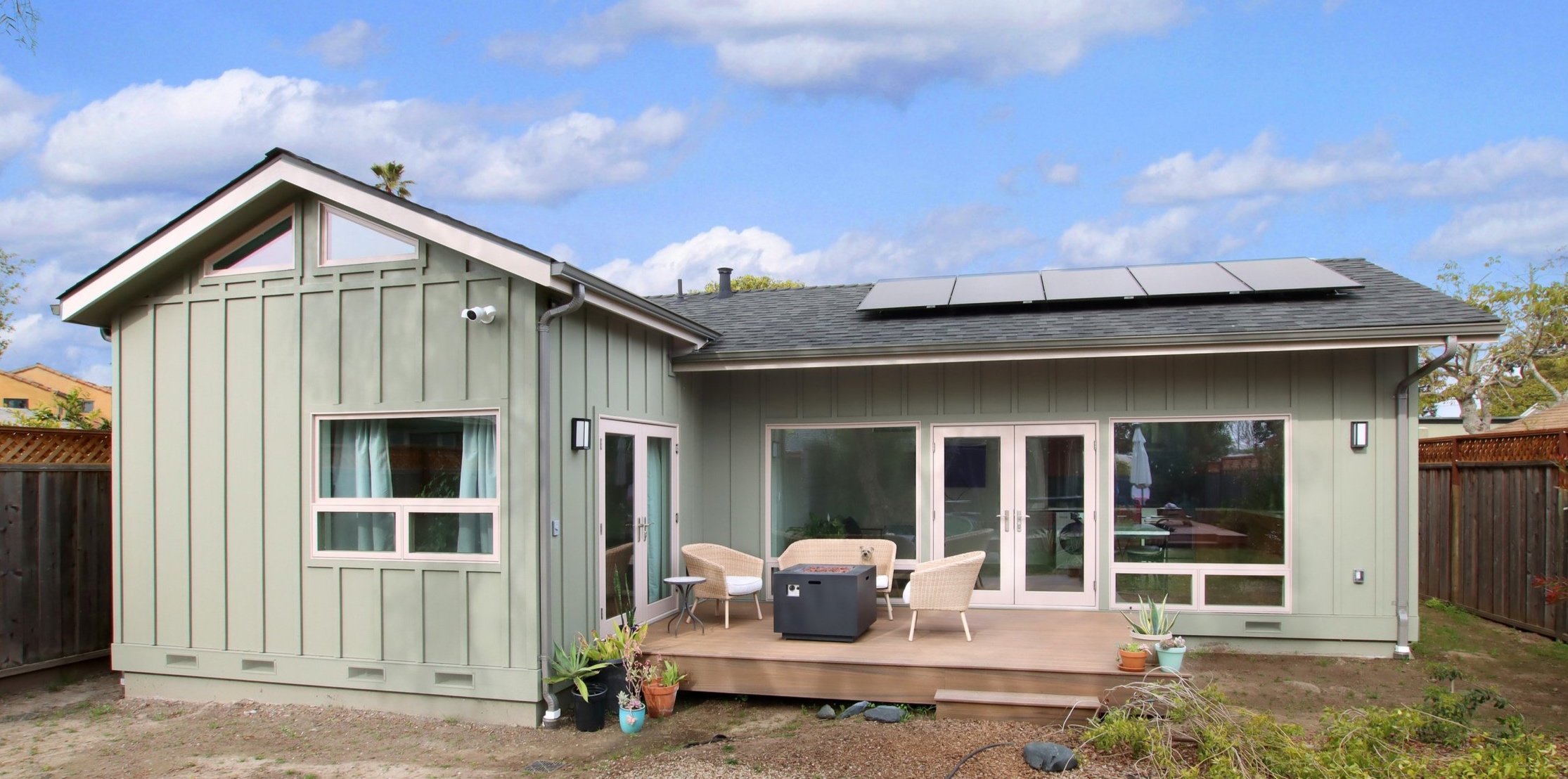
An ADU may be compact, but it’s still a full-fledged home. You still need:
✔️ Foundation
✔️ Plumbing
✔️ Electrical
✔️ HVAC
✔️ Roofing
✔️ Insulation
✔️ Finishes, fixtures, and appliances
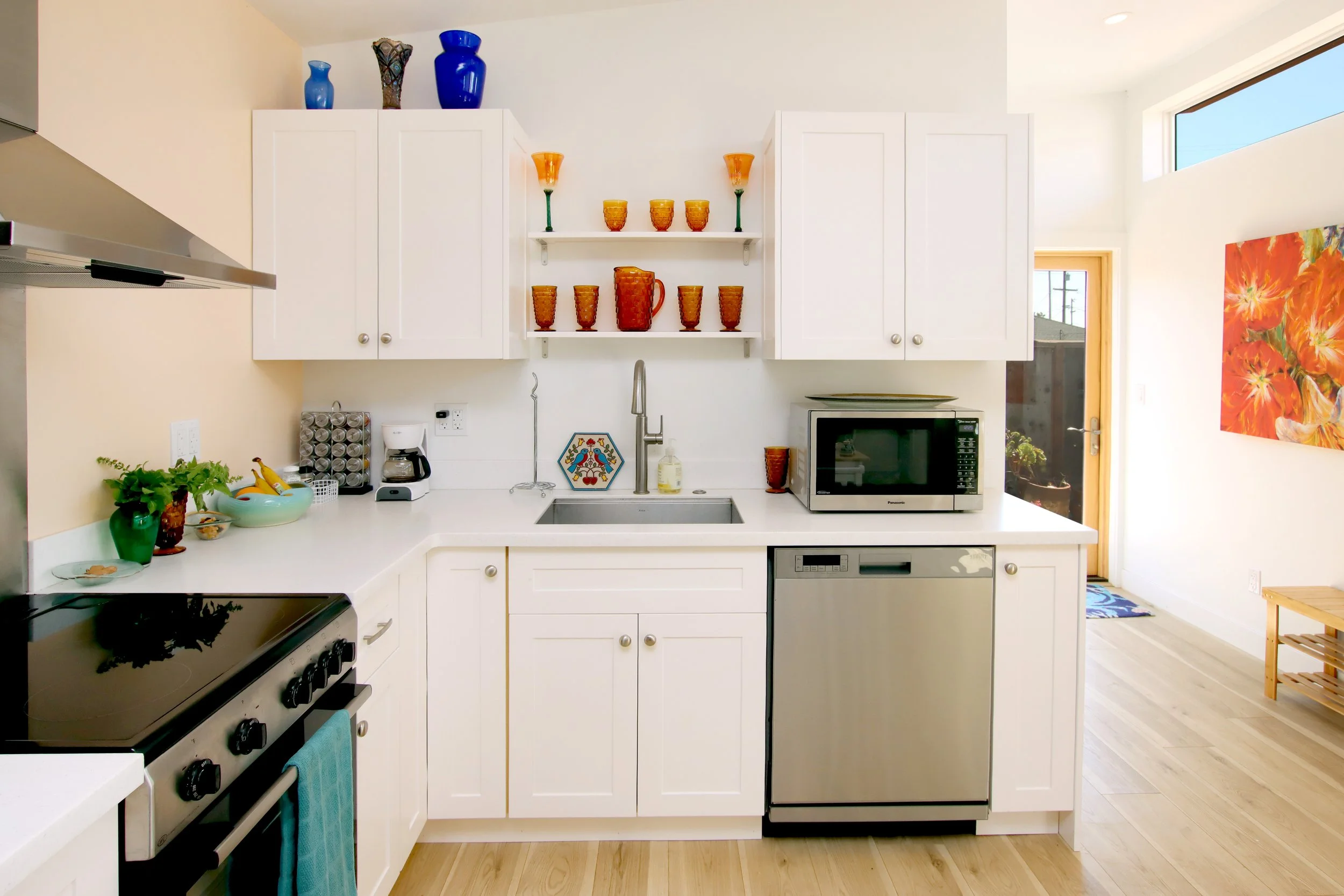
In fact, ADUs often include the most expensive parts of a home—a kitchen and bathroom—without the benefit of scale. That means high quality in a small package.
2. Utility Connections & Site Work
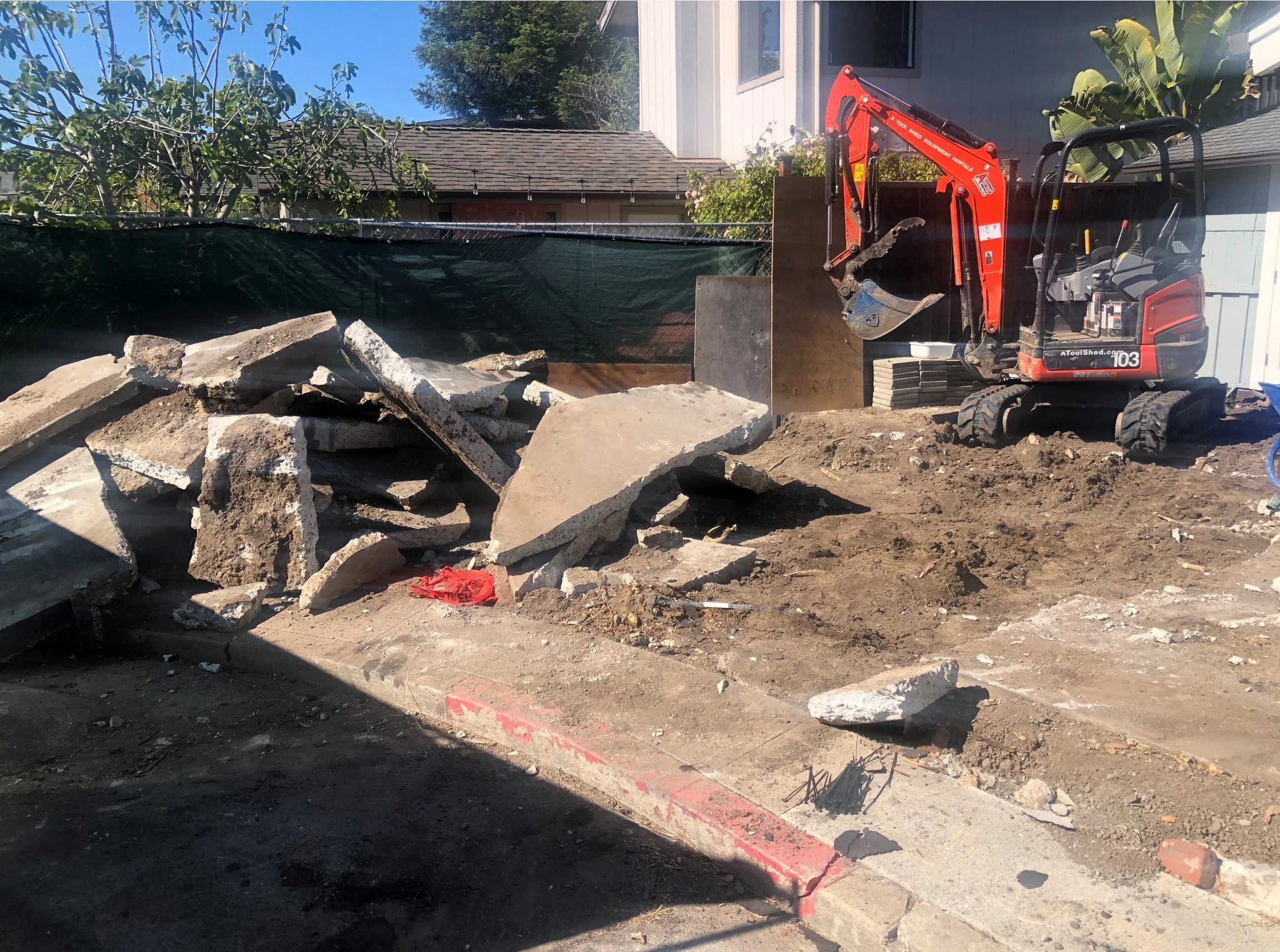
Unlike a shed or garage, an ADU needs to tie into the main home’s water, sewer, gas, and electrical. That might involve:
Trenching through your backyard
Upgrading electrical panels
Relocating lines or meters
Managing tight access or tricky terrain
It’s not glamorous, but it’s essential—and it ensures your ADU is fully functional and up to code.
3. Permits, Plans, and the Joy of Paperwork

Permitting an ADU in California means more than a quick trip to city hall. You’ll often need:
Building permits
Site surveys
Structural engineering
Title 24 energy compliance
Plan reviews and (sometimes surprise!) impact fees
And let’s not forget the design phase — because if you’re going to spend this much, it should look good too.
4. Labor and Materials Aren’t Getting Cheaper
The construction industry has faced significant cost increases in recent years. Even small projects require a full team:
Framers
Electricians
Plumbers
Cabinet installers
Finish carpenters
Painters
You’re not just paying for labor—you’re investing in craftsmanship, safety, and long-term durability.
5. Tight Spaces = Tricky Logistics
ADUs are often tucked into narrow backyards, near fences, or behind existing homes. That makes everything more complicated:
Material deliveries need to be hand-carried or craned in
Inspections get more complicated
Staging areas are limited
Access for large equipment is tricky
Basically, if you thought construction was messy in an open space, try doing it in a backyard jungle.
6. You Still Need Design & Engineering
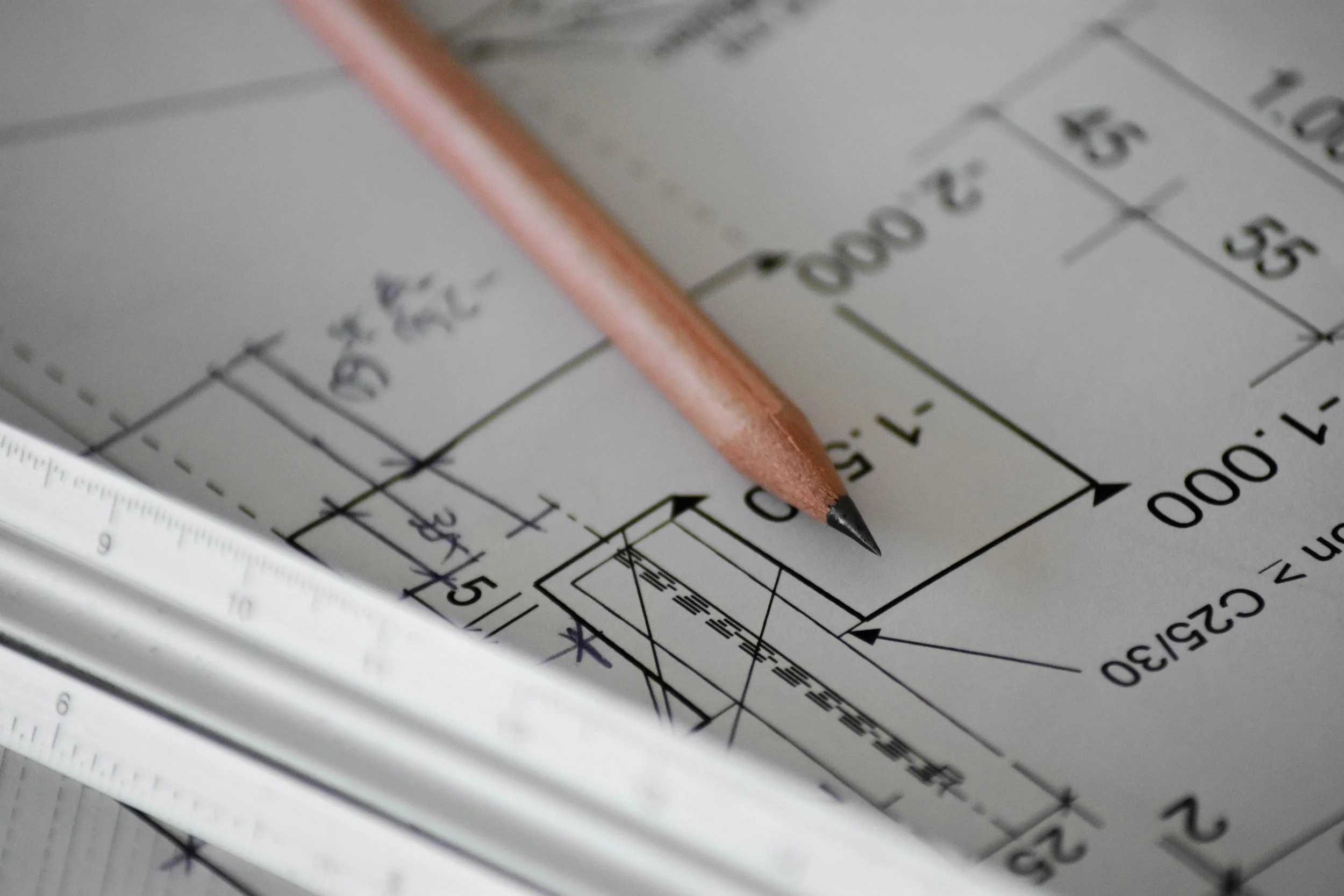
ADUs might be small, but they require big thinking when it comes to layout and planning. That includes:
Architectural drawings
Structural and Title 24 engineering
Interior space planning
Project management
These services are upfront costs—but they help you avoid costly mistakes later and maximize every square foot.
But Here’s the Good News:
While the initial investment may feel steep, ADUs pay off — both financially and personally. They can:
Increase your property value
Generate long-term rental income
Provide multigenerational living options
Help you age in place or support family members
Plus, you get to design a space that works perfectly for your needs — and enjoy it for decades to come.
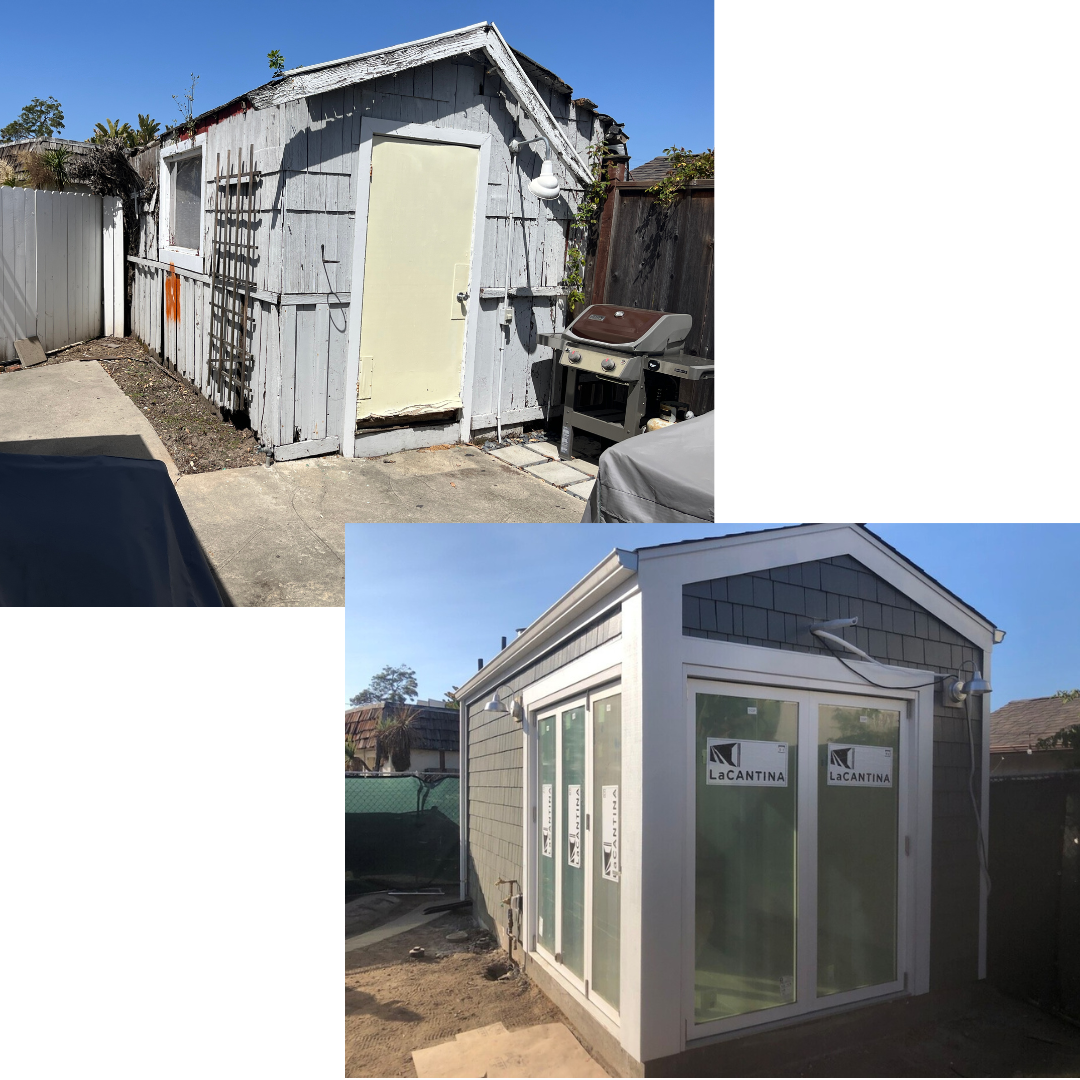
Final Thoughts: You’re Building a Home, Not a Shed
Yes, it’s a “secondary unit.” But there’s nothing secondary about what goes into it. The costs reflect the complexity, quality, and care required to build a legal, livable, long-term home.
If you’re planning to build an ADU in Santa Cruz County, we’d love to help. Elite ADU specializes in designing and building high-quality accessory dwelling units that are tailored to your property, your goals, and your budget — no prefab frustration or cookie-cutter plans.
Want to learn more about building an ADU in Santa Cruz County? Visit our dedicated team at Elite ADU.