Can You Be Your Own General Contractor in Santa Cruz?
Many homeowners wonder whether they can save money by managing their own kitchen remodel instead of hiring a general contractor.
On paper, it sounds straightforward:
Hire a cabinet installer.
Schedule a plumber.
Call an electrician.
In reality — especially in coastal Santa Cruz — remodeling involves much more than coordinating trades.
Before deciding to act as your own general contractor, here’s what you should understand.
Permits and Inspections in Santa Cruz County
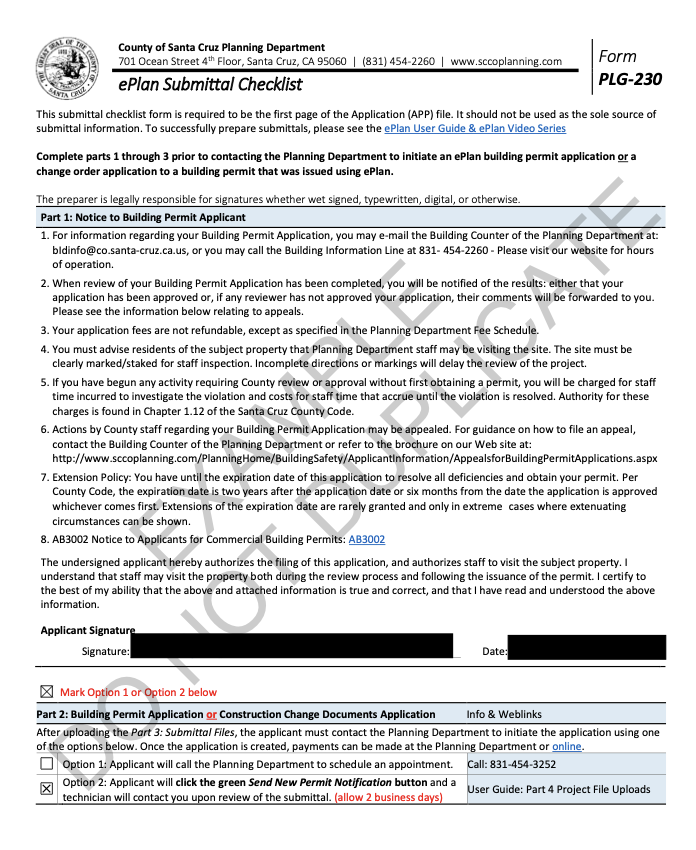
Most kitchen remodels require permits if you are:
• Moving plumbing
• Updating electrical
• Removing walls
• Changing windows
• Modifying structural elements
In Santa Cruz, permits can involve:
• City or County Building Departments
• Coastal Commission review (in certain zones)
• Energy compliance documentation (Title 24)
Managing inspections means:
• Scheduling them at the correct phase
• Ensuring work passes the first time
• Coordinating corrections quickly to avoid delays
One missed inspection can push a project back weeks.
Subcontractor Coordination
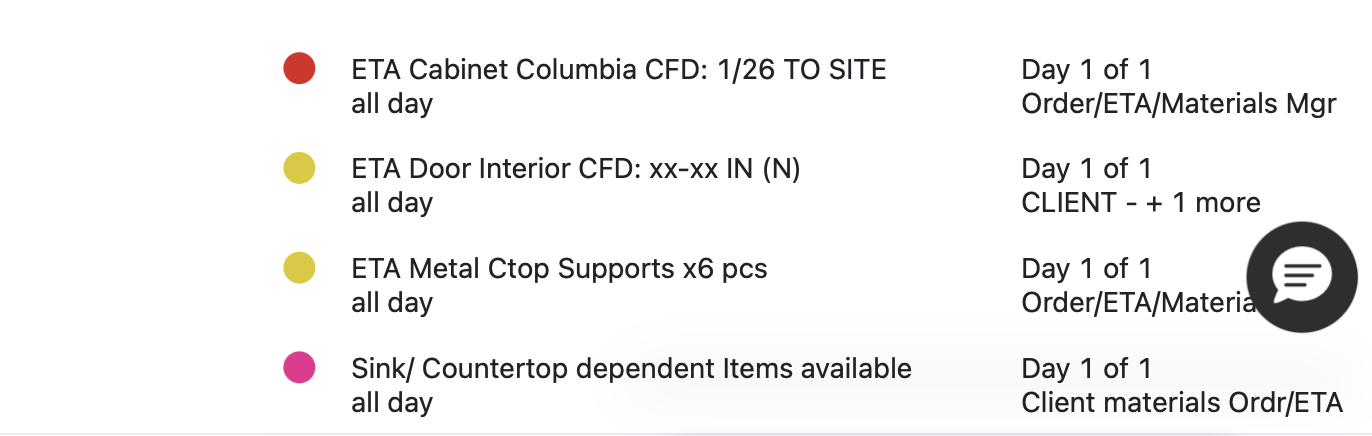
A kitchen remodel follows a specific order:
Demo → Framing → Rough Plumbing → Rough Electrical → Inspections → Insulation → Drywall → Cabinets → Countertops → Tile → Finish Plumbing/Electrical → Final Inspection
If one trade runs late, the entire schedule shifts.
Professional contractors:
• Pre-schedule trades weeks in advance
• Build in buffer time
• Maintain relationships with reliable crews
Homeowners managing their own projects often struggle with:
• Trades not showing up
• Finger-pointing between subcontractors
• Gaps between phases
Time coordination is often more complex than the construction itself.
Insurance and Liability
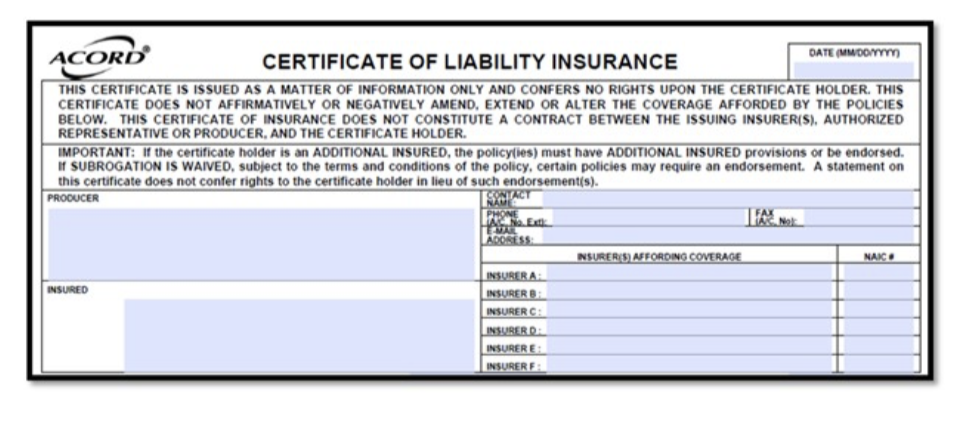
When you act as your own general contractor, you assume responsibility.
That includes:
• Verifying subcontractor licensing
• Confirming active insurance coverage
• Managing worker injuries
• Handling property damage
If something goes wrong, liability can fall on the homeowner.
Licensed general contractors carry:
• General liability insurance
• Workers’ compensation
• Bonding
These protections exist for a reason.
Timeline Delays and Living Through Construction
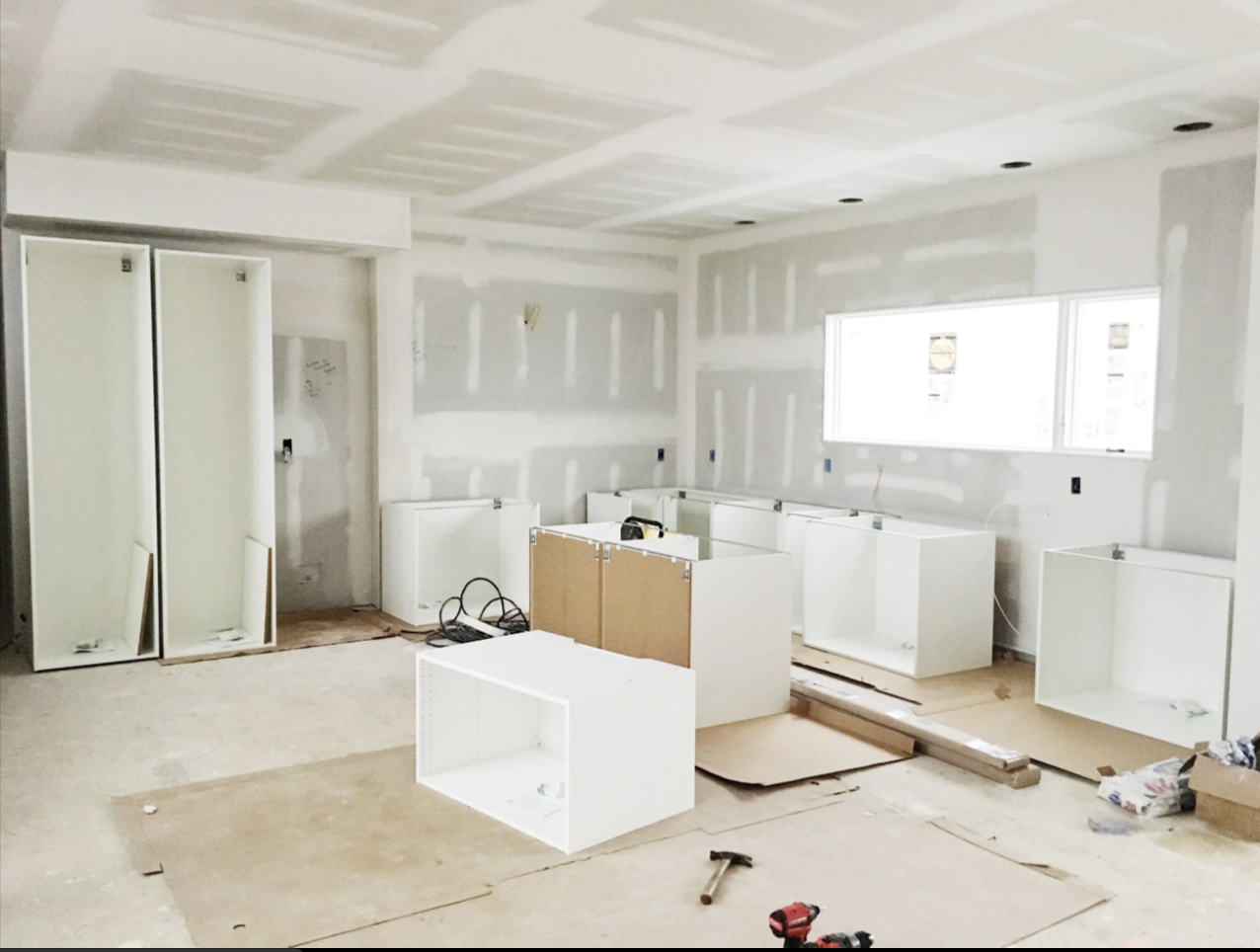
In Santa Cruz, kitchens are often the heart of the home.
Without a streamlined schedule:
• Temporary kitchens last longer than expected
• Appliance deliveries don’t align
• Countertop templates get delayed
• Cabinets arrive before walls are ready
Professional scheduling minimizes downtime and disruption.
Warranty Protection
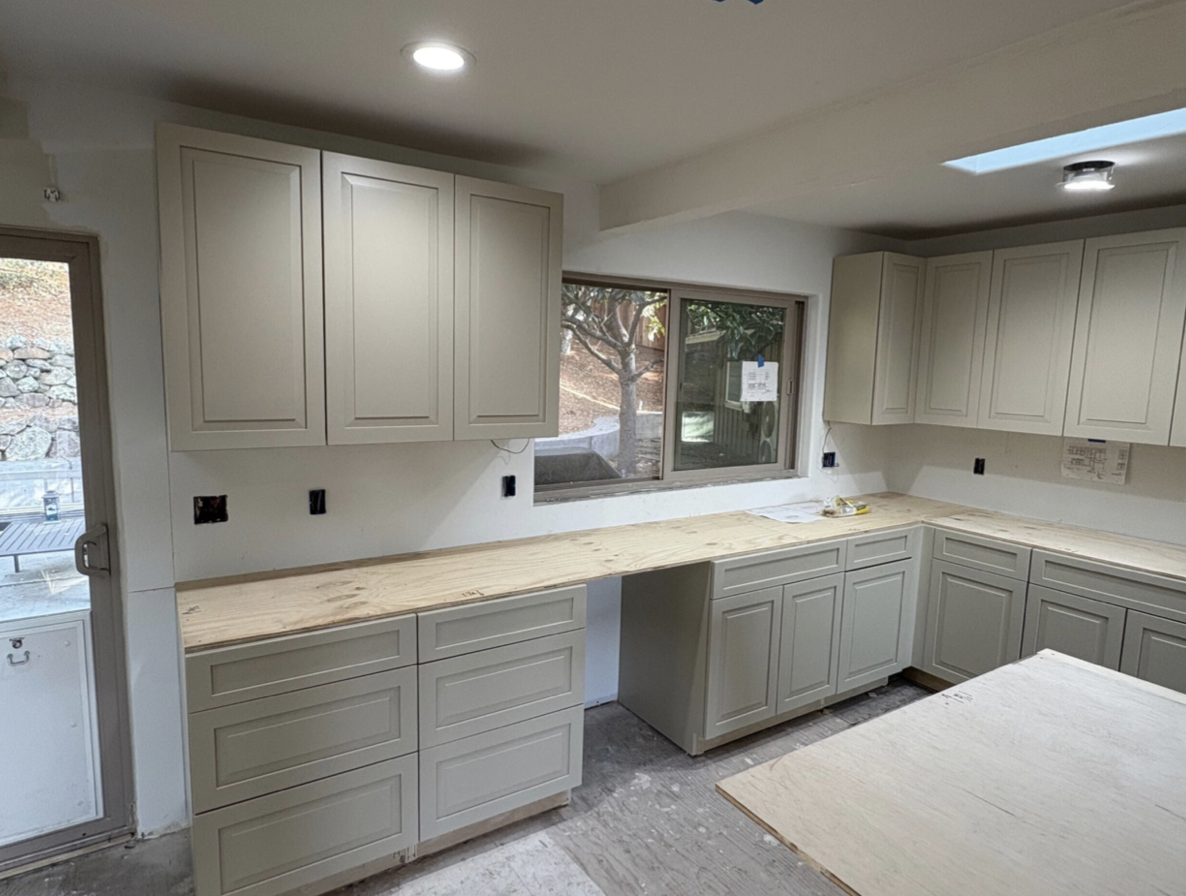
When you hire separate trades individually, warranties are fragmented.
If something fails:
Is it plumbing?
Is it cabinetry installation?
Is it countertop fabrication?
A general contractor provides centralized accountability.
One point of contact.
One project warranty structure.
That clarity matters years later.
Coastal Regulations and Older Santa Cruz Homes
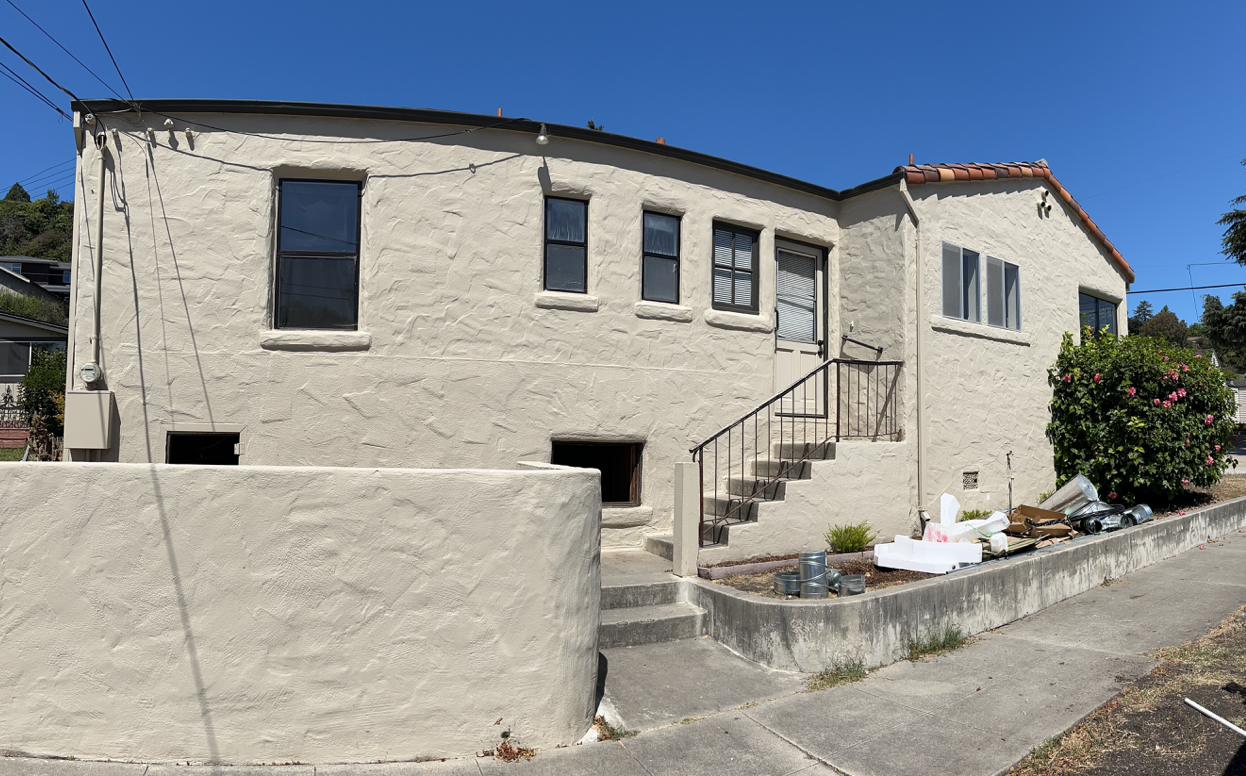
Santa Cruz homes often include:
• Mid-century structures
• Unpermitted prior remodels
• Moisture issues
• Outdated electrical systems
• Seismic considerations
Coastal properties may trigger additional review layers.
Navigating these complexities without experience can quickly become overwhelming.
When Does Managing Your Own Remodel Make Sense?

There are situations where homeowners successfully act as their own contractor:
• Very small cosmetic updates
• Existing trusted trade relationships
• Extensive construction experience
• Flexible timelines
However, for full kitchen remodels involving layout changes or structural work, most homeowners find professional oversight reduces stress, delays, and risk.
The Real Question Isn’t “Can You?” — It’s “Should You?
Yes, it is legally possible to act as your own general contractor in Santa Cruz County.
The better question is:
How much complexity are you prepared to manage?
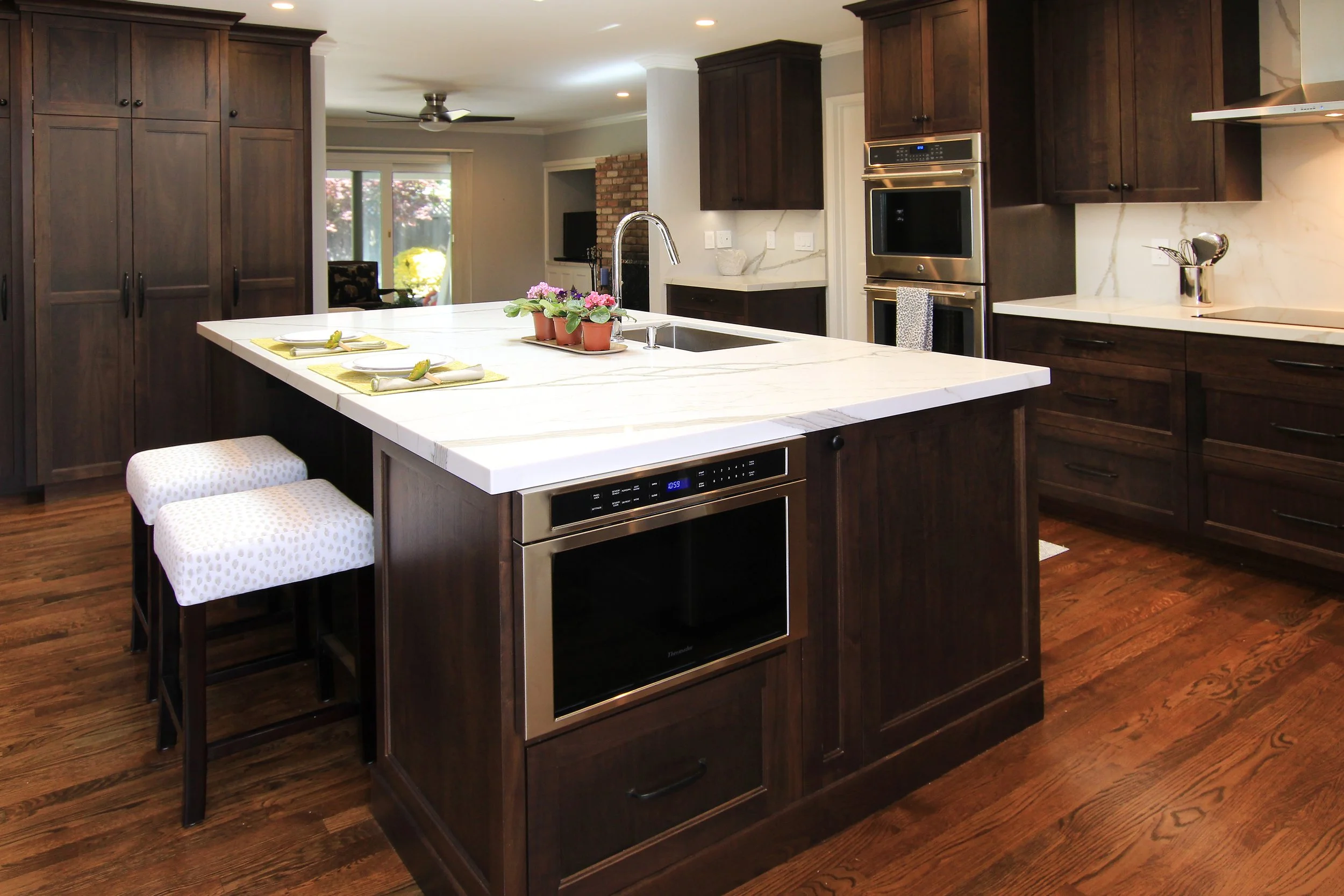
For homeowners investing in a mid- to high-end kitchen renovation, clarity, coordination, and accountability often outweigh potential cost savings.
If you're planning a kitchen remodel in Santa Cruz, Capitola, Aptos, Scotts Valley, or the surrounding communities, we’re happy to walk you through the process — whether you’re early in planning or ready to begin.
Schedule a consultation to discuss your goals and timeline.